Passive House Design: Is It the Secret to a Healthier Home?
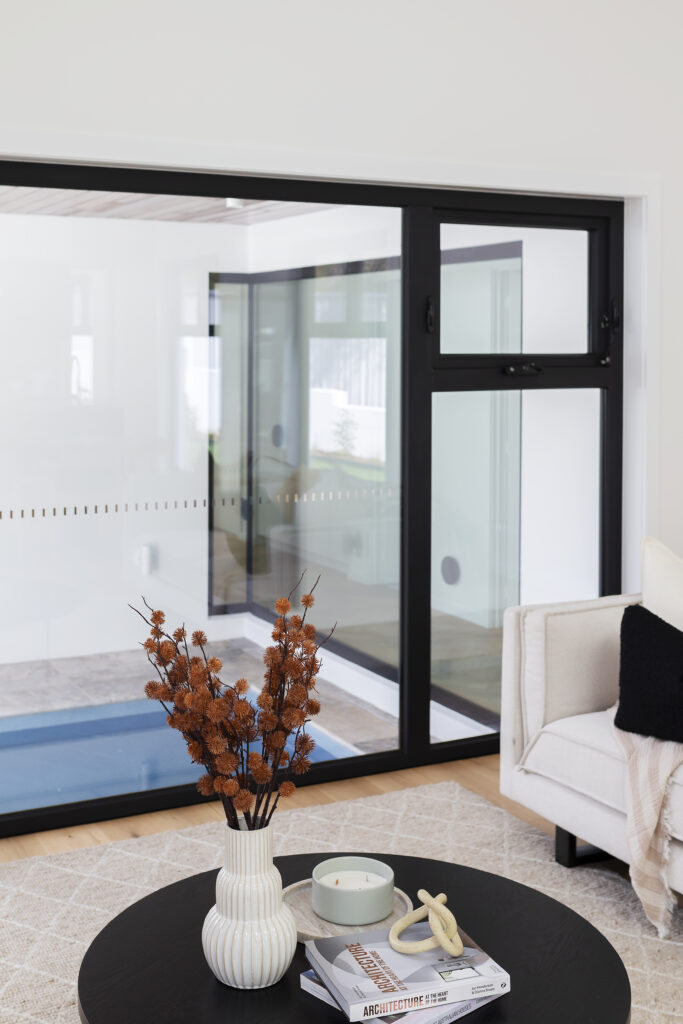
Passive house design is often associated with energy efficiency, but its real value lies in how it improves comfort, air quality, and the overall performance of a home. That’s part of it, but passive house design goes much further than that. It’s not only about energy use. It’s about how your home actually supports the way you live every day.
Your daily emotions are influenced by simple things: the air you breathe, the light that fills your rooms, and the materials sitting quietly inside your walls.
Headaches, bad sleep, allergies, that heavy “stuffy” feeling, sometimes it’s not you. It’s the house. We’ve seen how small design decisions can completely change how a home performs. A healthy home isn’t fancy. It’s intentional. And that’s where passive house design starts to make real sense.
The Five Pillars of The Healthy Home
Clean Air: That Starts With Smart Design
Air quality is everything. You spend around eight hours a night breathing it while you sleep.
If moisture gets trapped in walls, mould can form quietly. If a house is sealed too tightly without proper ventilation, the air turns stale fast. And many common building products release chemicals long after installation.
A healthy home manages airflow on purpose. It allows moisture to escape. It brings fresh air in through controlled systems. It uses materials that don’t constantly off-gas toxins. You may not see these systems, but you’ll feel the difference.
Impact Of Clean Water
Canberra has cold winters and dry summers. That temperature shift matters.
Condensation builds up when warm indoor air hits cold surfaces. Without proper vapour control and insulation detailing, that moisture sits inside walls. Over time, that can cause mould and structural damage.
A good custom builder understands the climate. They use breathable building wraps, detailed sealing methods, and insulation installed correctly, not rushed. Healthy construction is about balance. Protecting the home from outside water while letting internal vapour escape safely.
Moisture management isn’t optional. It’s fundamental.
Natural Light Changes Everything
Light affects mood more than people realise.
A dark home can feel heavy. A bright, well-oriented home feels open and calm. Window placement matters. So does orientation. The design of North-facing living spaces in Canberra enables winter sun access, which decreases their heating requirements. Summer heat stays under control through proper shading systems.
The light requires complete installation because all future changes will bring high expenses. The design process needs to include this element because it must be discussed during early design meetings. Properly executed natural light systems provide dual benefits for mental health and energy conservation.
Low EMF Materials Matter More Than You Think
Paints. Glues. Engineered boards. Flooring.
Many of them release VOCs (volatile organic compounds) for months after installation. That “new home smell” isn’t always a good thing.
Healthy homes use low-VOC paints, formaldehyde-free cabinetry, and responsibly sourced materials wherever possible. You don’t have to sacrifice style. The options are there. You just need a builder who talks about them early.
Professionals don’t just ask what colour you want. They ask what’s behind the surface.
Low-Tox Materials
The biggest mistake people make? Waiting too long to talk about health. By the time you’re choosing tiles and tapware, the structural decisions are already made. Orientation, ventilation strategy, and insulation type those choices that happen first.
If you care about air quality, light, moisture control, and low-tox materials, bring it up from day one. The earlier it’s discussed, the easier it is to integrate.
Experts won’t brush off those questions. They’ll welcome them. Because a healthy home isn’t a trend. It’s just a smart building.
Healthy vs Energy Efficient: Not the Same Thing
This part confuses people.
The home achieves energy efficiency through its design, which minimises heating and cooling expenses. A healthy home concentrates on both the indoor air quality and the design elements that assist your physical needs. The best outcome is when both are designed together.
Seal the building envelope properly. Add insulation. But also install controlled ventilation so the home doesn’t trap stale air; a principle central to passive house design. Airtight doesn’t mean airless. That difference matters.
Smart Canberra residential builders design homes that balance efficiency with liveability.
A Brand That Builds With Purpose: Freedom Built
Freedom Built doesn’t just construct houses. We build homes that are meant to last. Structurally strong. Energy efficient. Designed around people, not trends.
We understand Canberra’s climate. The cold winters. The hot summers. We build accordingly.
As trusted Custom home builders in Canberra, we combine smart design with practical performance. That means healthier homes that stand up to real life.
Conclusion
A healthy home doesn’t need to be complicated. It needs to be intentional. Clean air. Managed moisture. Natural light. Low-tox materials. Smart systems. These aren’t luxury upgrades. They’re long-term decisions that shape how you live every single day.
When designed properly, your home supports your sleep, your focus, and your comfort. Quietly. Consistently.
And when you work with the right home builders, those conversations happen early, where they actually make a difference.
FAQs
1. How does Freedom Built approach healthy homes?
At Freedom Built, healthy homes start with good design. From the early planning stages, we consider ventilation, moisture control, insulation, and the materials used throughout the build. By addressing these elements from the beginning, we can create homes that support better air quality, comfort, and long-term performance rather than trying to add these features later.
2. Are healthy homes more expensive to build?
Not always. When healthy home principles are considered early in the design process, they can often be incorporated without significant additional cost. Things like thoughtful orientation, appropriate insulation, and well-planned ventilation are most effective when they are part of the initial design, rather than changes made later in the project.
3. What is the difference between a healthy home and an energy-efficient home?
An energy-efficient home focuses on reducing the energy needed for heating and cooling. A healthy home looks more broadly at the indoor environment, including air quality, moisture control, and the materials used inside the home. In practice, the best homes consider both — combining efficient building performance with a comfortable and healthy indoor environment.
4. Can I make my existing home healthier?
Yes, there are several ways to improve the health of an existing home. Improving ventilation, addressing moisture issues, and using low-VOC paints and finishes can all make a difference. While some improvements are easier to achieve in new builds, many small changes can still help create a healthier indoor environment over time.